Designing a Garden from Scratch
Transforming Garden Dreams Into Reality
Designing a garden doesn’t have to feel intimidating. There’s something inspiring about standing before an empty canvas. In my case, my empty canvas is a piece of land in Kentucky waiting to become a garden. How do you transform such a space into the garden of your dreams? This is the question that occupies my thoughts.
This summer, I left behind an established garden in Michigan—a garden I’d nurtured and known intimately—to begin anew in Kentucky. While my husband and I build our forever home at Sugar Hill (as we’ve fondly named it), I’m tending a temporary garden that serves as both refuge and laboratory. It’s here that I’m learning how to manage Kentucky’s clay soil, testing which plants will thrive, and growing the plants that will move to my permanent garden.
The Heart of Garden Design
My garden has never been about impressing visitors with exotic specimens or maintaining impossibly perfect borders. My garden is an escape from the noisy world—a quiet retreat where my creativity recharges. It’s where I grow plants that feed the birds and pollinators, where I forage for materials to bring nature indoors, and where I find beauty in every season, even the depths of winter.
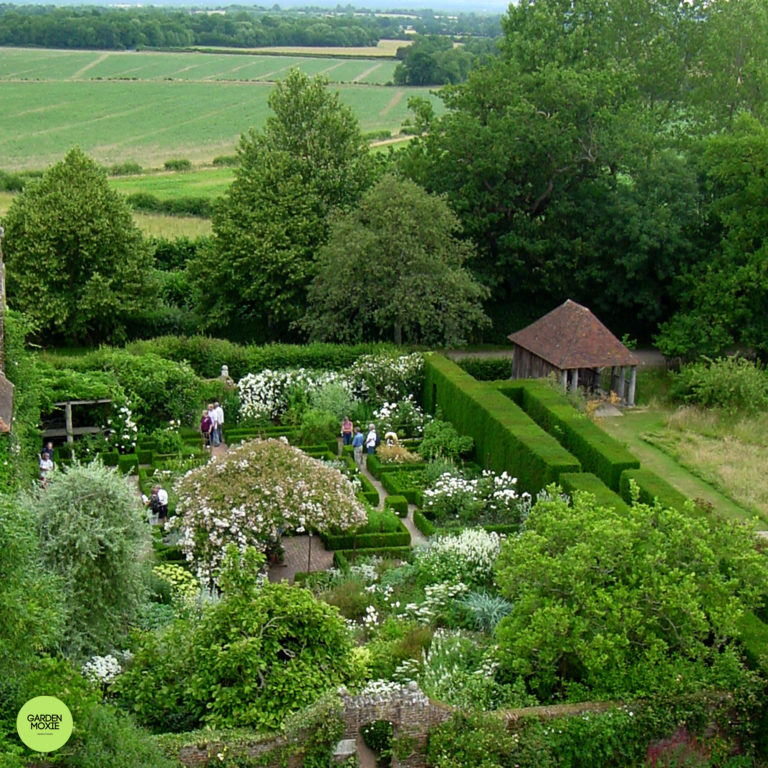
I prefer designing a garden that feel cozy and secluded. Gardens you can’t see all at once. There’s something amazing about the concept of garden rooms — each space revealing itself gradually. I’m focused on merging the indoors and outdoors, finding ways to bring the beauty of the garden into my everyday life.

Lessons from Historic Gardens
Visiting historic gardens and reading old garden design books reveals that the gardeners from the past were masters at using vertical space. They didn’t just focus on the ground level. They created gardens in layers. Small trees providing a canopy. Shrubs filling the middle ground and climbing vines adding height and drama.

Historic gardeners understood that designing a garden, an extraordinary garden, isn’t about flowers. A successful garden has a clear structure. The paths, pergolas, and wall give it form throughout the year. Flowers provide the “icing on the cake” when designing a garden.
The Right Plant for the Right Place
The gardeners I admire most were wonderfully selective about their plant choices. They embraced this principle of finding the right plant for the right place—a concept that’s key to creating a garden that requires less work and fuss. We simply cannot fight our site conditions. The land must dictate what the garden becomes, not the other way around.

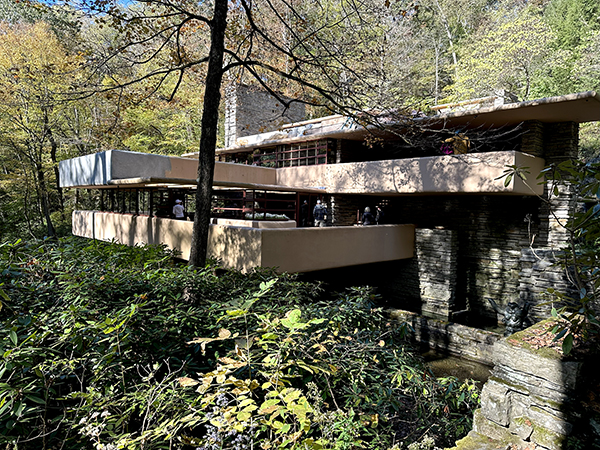
I’m particularly drawn to the Arts and Crafts movement approach, which relies on materials found on site and in nature. Using natural materials—the stones beneath our feet, the wood from our own trees—helps a garden sit more naturally in the landscape. At Sugar Hill, we’re blessed with Kentucky limestone scattered across the property, and I intend to use it extensively for garden walls, steps, pavers, and raised beds for a kitchen garden.

Designing a Garden for Daily Life
When planning my permanent garden, I’m thinking carefully about the activities I actually enjoy. I love decorating my house with elements from the garden—small bouquets on the kitchen table, wreaths on the door, forced branches brightening February’s gloom. This means including shrubs specifically for forcing, growing trees I can cut from for winter containers and window boxes.

I’m an avid bird watcher, and my garden must provide a safe haven for all the little critters who’ll share the space with me. No harsh chemicals, no fighting against nature—I want to be a good steward of this land we’re so fortunate to call home.
And water! I love to hear the sound of water in the garden. Whether it’s a tiny fountain tucked into a patio corner or something more elaborate, water adds life and movement to a garden. Designing a garden at Sugar Hill will definitely require adding a water feature.

The Plan Is Taking Shape
I’ve started collecting inspiration —poring over old garden design books, revisiting forgotten Pinterest boards, pinning images to a bulletin board in my workroom. I’m studying these carefully, figuring out which elements that truly matter when designing a garden.
At Sugar Hill, I plan to focus on the the space closest to the house, then gradually work outward as time and resources allow. The house will be positioned to focus on the mighty oak tree. The feature we love most on the property. The slopes and contours of the land will help divide the space naturally into garden rooms.
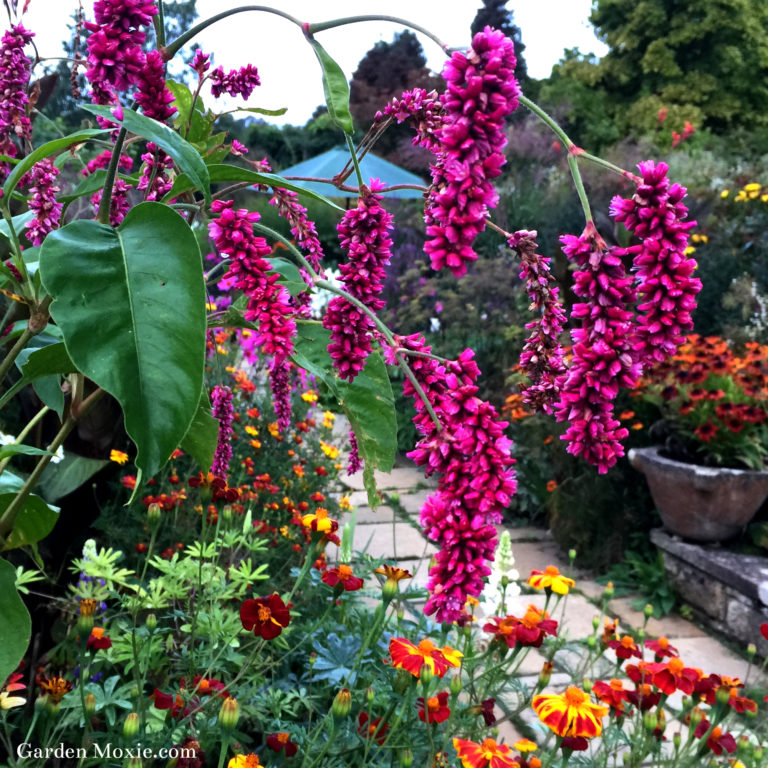
While I won’t know the exact details until the house is completed, I envision a flower border filled with pollinator-friendly plants and garden rooms along the back of the property. I intend to build another Mary Garden off the lower patio entrance using a green and white color scheme similar to my Michigan garden.

Using a Temporary Garden as a Laboratory
This winter, I’ll be growing plants from seed and experimenting with different color combinations. My temporary garden (the garden I call Rabbit Run) is the perfect space to create a plant laboratory. Testing what thrives in Kentucky’s growing conditions. Rabbit Run will be a living laboratory to help inform the decisions I will make at Sugar Hill.
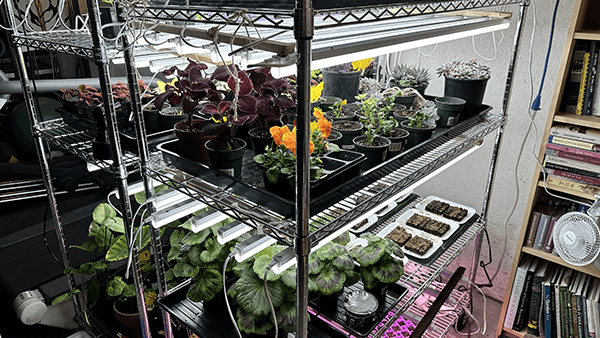
I am trying to enjoy the process of starting over. Not rushing, but taking time to observe. Learning about the soil and the critters that will share my garden in the future. I can’t wait to see how this story unfolds.
What elements matter most to you in a garden? I’d love to hear about your own garden dreams in the comments below.