
Stop Fighting Your Garden
What if the secret to a beautiful garden isn’t better soil or more effort, but better plant choices and stronger design?
Learn how to work with the garden you actually have.
A Different Way To Garden
For a long time, I asked myself what plants I wanted to grow, then tried to make my garden accommodate those plants. I amended soil, irrigated, and fertilized. When things didn’t go as planned, I intervened.
I think we’ve got this wrong.
What if instead, we started paying attention to the site? The soil. The moisture. The climate. And choose plants that will actually thrive there. Then use the principles of good design to turn those plants into something beautiful.
That’s what I’m exploring at Garden Moxie.
Where Should You Start?
You don’t need to know everything about gardening. You just need to approach your site systematically.
Here are a few ways to find your footing and start making progress with your garden. It doesn’t matter what kind of space, experience, or goals you have.
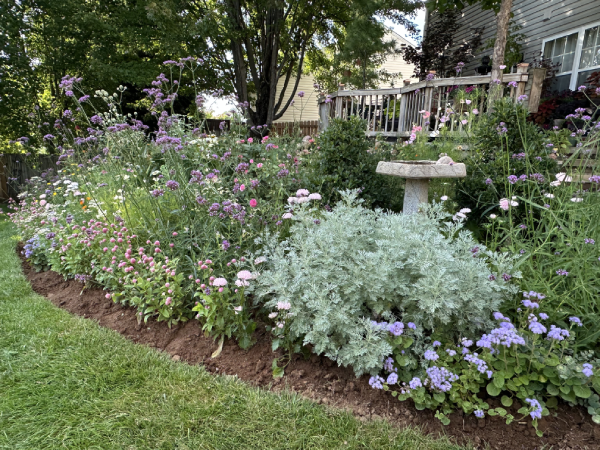
1. know Your garden
Start by learning about your site. Figure out what you actually have before deciding what you want to grow. All the things that make your garden different from the one down the street.
explore –>

2. design with intent
There is no perfect garden. Learn to see your garden as a composition. Structure, rhythm, and repetition all matter. A garden is more than a collection of plants.
explore –>
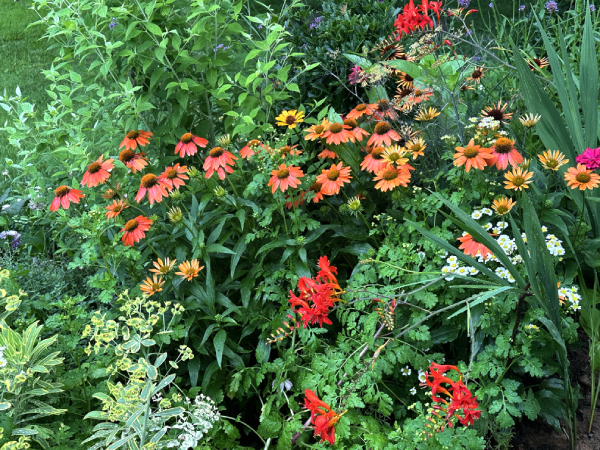
3. work with nature
Stop fighting your garden and learn to select plants that will thrive in your growing conditions. Choosing plants that are resilient to your site ensures your garden will require less inputs.
explore –>

4. let the garden evolve
A garden is never finished. The most meaningful spaces grow and change over time. Our job is to watch the garden develop, learning what works and what requires tweaking.
explore –>
Three stories. One Philosophy
The Stories
Rabbit Run
The experiment. Rabbit Run is my laboratory. It’s a temporary garden planted in unamended Kentucky clay soil. This is where I test what happens when we stop trying to make our site fit our plants and instead pick plants that want to live there.
Sugar Hill
The garden. Sugar Hill is our permanent home. We’re building a house and garden from the ground up on 20 acres of Kentucky land. There is no established garden. Just a piece of land, lots of ideas, and time to figure it out.
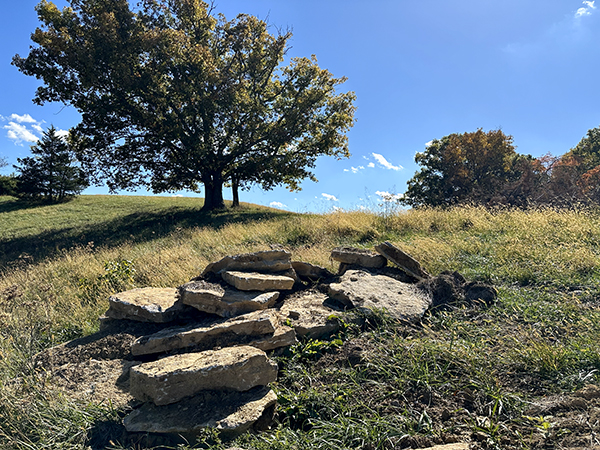
Principles & Practice
The ideas. Some of the best garden lessons come from the gardeners who came before us. Historic gardens, garden design, plants, book, and the people who treated gardening as a serious creative act.
Before you buy another plant…
Know Your Garden.
It’s tempting to start a garden by buying plants. But planning a garden begins before planting. A beautiful garden is more than a collection of plants. It is our job to figure out what plants will thrive in our site and then use the principles of good design to turn those plants into something beautiful.
Garden Moxie Field Notes
Garden Moxie Field Notes is a record of my Kentucky garden as it unfolds. Every other week I share the design principles guiding my choices, the plants being trialed, the failures, the keepers, and whatever else the season brings.